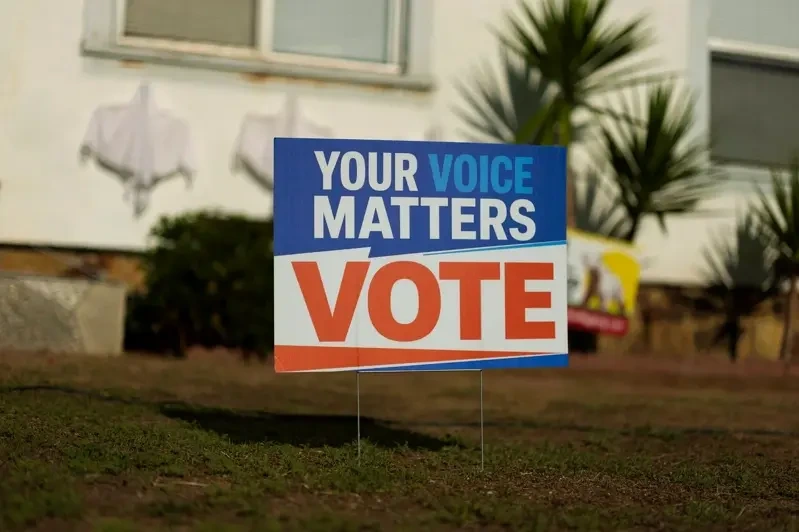
With the midterm elections approaching on November 3, the latest polling indicates that only 45% of registered voters have a high level of confidence in the accuracy of vote counting—a 5-percentage-point decline compared to four years ago. Some citizens express concern over potential interference by political figures, while others harbor doubts regarding the counting of mail-in ballots.
A poll released on the 21st by the Associated Press-NORC Center for Public Affairs Research—surveying 1,119 American adults, 925 of whom identified as registered voters—found that only 45% of these registered voters have “very high” or “fairly high” confidence in the accuracy of the vote count, down from 50% in 2022.
The survey reveals that confidence in the accuracy of vote counting is low among both Democratic and Republican voters. Among Democrats, 55% expressed confidence—a significant drop from 75% in 2022—while only 38% of Republicans did so (an increase from 26% four years ago, yet still below 40%). Among independent voters, the figure remained at 34%.
Voter concerns regarding the election vary by political affiliation. Approximately 90% of Democrats view attempts by Donald Trump to interfere with election results as a major issue, whereas about 70% of Republicans are concerned about ineligible individuals casting votes.
A majority of voters from both parties identify foreign interference, the use of artificial intelligence (AI) to generate misinformation, and the deliberate redrawing of electoral districts to favor a specific party as significant challenges facing the election process.
Compared to Taiwan, the voting process in the United States is more complex, which adds to the difficulty of counting ballots.
In the U.S., in addition to in-person voting on Election Day, voters may—depending on state regulations—cast their ballots early or by mail. Some mail-in ballots may arrive after Election Day. In the event of a close race, it could take several days or even weeks to determine the winner.
The United States has also experienced numerous election-related controversies in recent years. Following the 2020 presidential election, Trump refused to concede defeat and repeatedly alleged election fraud. On January 6, 2021, a large group of Trump supporters stormed the U.S. Capitol in an attempt to block Congress from certifying Joe Biden’s victory.
After returning to the White House last year, Trump once again sought to expand the federal government’s influence over election administration. In October of this year, the Trump administration filed a lawsuit against California officials, alleging that the state government had failed to properly purge non-citizens from its voter rolls.